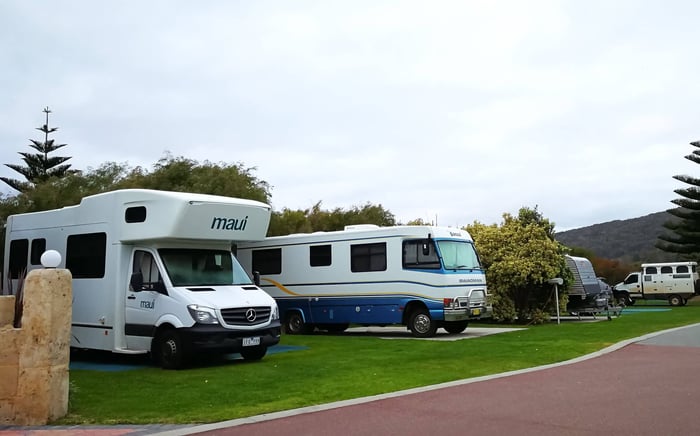
Owning an RV or boat in Fulton often means planning how and where to park between trips. Many neighborhoods have limited driveway space or restrictions on large vehicles. Because of this, even short-term parking can be challenging.
When available, limited on-site parking at a storage facility can make RV and boat transitions much easier. Temporary parking allows owners to prepare for trips, unload gear, and complete basic tasks without rushing or crowding residential areas.
Transition parking isn’t long-term storage—it’s a practical way to manage the time before and after travel.
What Transition Parking Means
Transition parking refers to short-term parking used while preparing for a trip or returning from one.
This type of parking is typically used for:
Loading supplies before departure
Unloading gear after a trip
Cleaning or organizing equipment
Performing quick inspections
It allows Fulton residents to work at their own pace instead of trying to do everything in a single visit.
How Transition Parking Differs from Full Storage
Transition parking is different from monthly RV or boat storage.
Key differences include:
Transition Parking
Short stays only
Used for staging and preparation
May be limited or scheduled
Focused on convenience
Full Storage
Long-term parking
Designed for extended stays
Less frequent access
Focused on secure storage
Many RV and boat owners use both depending on their needs.
When Transition Parking Helps Most
Preparing for a Trip
Before leaving, owners often need time to get everything ready.
Transition parking allows time to:
Load coolers and supplies
Pack fishing or camping gear
Check batteries and lights
Inspect tires and connections
Stock food and equipment
Working at a steady pace reduces mistakes and forgotten items.
Returning from Travel
After a trip, there is often just as much work to do.
Short-term parking makes it easier to:
Unload personal items
Remove food and trash
Clean interiors
Rinse salt from boats
Organize gear for next time
Completing these steps before long-term storage helps protect equipment.
Maintenance and Inspection
Some tasks are easier to complete during a short parking period.
Examples include:
Washing boat surfaces after saltwater use
Checking trailer tires
Inspecting safety equipment
Organizing tools and spare parts
This helps prevent small problems from becoming larger repairs.
Parking Challenges in Fulton Neighborhoods
Many Fulton residents face practical limitations when parking large vehicles.
Residential Restrictions
Common challenges include:
HOA rules limiting RV or boat parking
Street parking restrictions
Short driveways
Limited maneuvering space
These rules can make trip preparation difficult.
Space Limitations
Even without restrictions, space can be limited.
Common issues include:
Tight driveways
Narrow streets
Difficult trailer turns
Limited room for loading
Transition parking helps solve these problems.
Benefits of Limited On-Site Parking
Easier Loading and Unloading
Short-term parking reduces extra trips.
Benefits include:
Less driving back and forth
More organized loading
Safer handling of heavy gear
Faster preparation
Better Trip Preparation
Extra time improves readiness.
Transition parking allows:
Careful inspections
Organized packing
Fewer forgotten items
Less rushing
Reduced Stress
Preparing for travel becomes easier when time pressure is reduced.
Owners can:
Plan around schedules
Work in stages
Coordinate with family members
Avoid neighborhood conflicts
Using Transition Parking Efficiently
Plan Ahead
Before arriving:
Confirm parking availability
Set aside enough preparation time
Bring needed supplies
Organize items in advance
Planning saves time on-site.
Organize the Loading Process
Efficient loading helps prevent problems later.
Helpful steps include:
Group supplies before arriving
Load heavier items first
Keep essential gear accessible
Secure everything properly
Good organization makes travel easier.
Safety Considerations
Maneuvering Safely
When parking large vehicles:
Move slowly
Watch clearance carefully
Use a spotter if possible
Check mirrors frequently
Careful movement prevents accidents.
Securing Your Vehicle
During short stays:
Lock all doors and compartments
Secure trailers and hitches
Remove valuables
Double-check connections before leaving
Security is important even during short visits.
When Transition Parking Is Most Useful
Transition parking is especially valuable during:
Start of boating season
Start of camping season
Holiday travel periods
Frequent weekend trips
Regular travelers benefit the most from convenient access.
Common Mistakes to Avoid
Waiting until the last minute to prepare
Bringing disorganized gear
Blocking access areas
Overloading vehicles
Assuming parking is always available
Avoiding these mistakes keeps the process simple.
Final Takeaway
Limited on-site parking, when available, can make RV and boat transitions much easier for Fulton residents. It provides time and space to prepare, unload, clean, and organize equipment without the challenges of neighborhood parking.