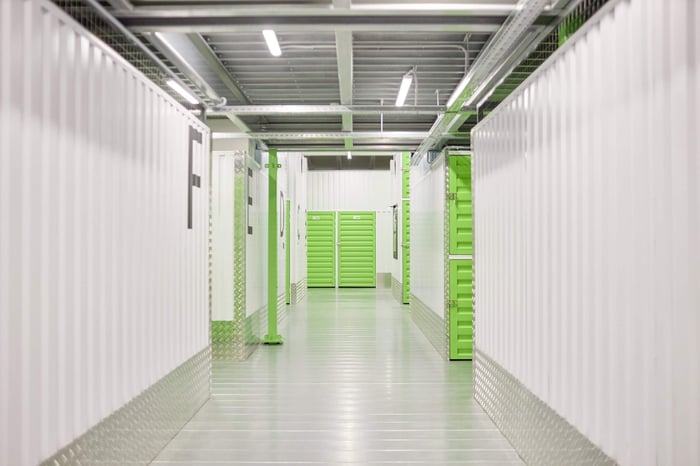
Living in Shell Ridge offers beautiful coastal surroundings, but it also creates unique storage challenges. Heat, humidity, and salt air can affect furniture, electronics, documents, and fabrics if they are stored in the wrong environment.
Residents Guide to Picking the Right Storage unit helps protect your belongings while keeping your home organized. The key is matching the storage type, size, and access level to what you plan to store.
Start by Understanding Your Storage Needs
Before renting a unit, take time to understand exactly why you need storage. This helps you choose the right size and features.
Common Reasons Shell Ridge Residents Use Storage
People typically rent storage units for:
Moving between homes
Downsizing or decluttering
Home renovation projects
Seasonal gear storage
Business inventory or files
Knowing the purpose of storage helps determine which unit type works best.
Consider How Long You Will Need Storage
Storage duration can affect both cost and unit choice.
Short-term storage (1–3 months)
Common for moving transitions or temporary relocations.
Medium-term storage (3–12 months)
Often used during home renovations or extended travel.
Long-term storage (1 year or more)
Ideal for archived business records, heirlooms, or items not used often.
Longer storage periods often make climate-controlled units a better choice.
Understand the Types of Storage Units
Different storage units are designed for different needs.
Climate-Controlled Storage Units
Climate units maintain steady temperature and humidity levels. This helps protect items sensitive to coastal conditions.
Best for storing:
Wooden furniture
Electronics and appliances
Photos and documents
Clothing and fabrics
Artwork and collectibles
In coastal areas like Shell Ridge, climate control helps prevent mold, warping, and moisture damage.
Drive-Up Storage Units
Drive-up units allow you to park directly at the unit door. This makes loading and unloading easier.
These units are best for:
Tools and equipment
Durable household items
Outdoor gear
Items you access frequently
They are especially convenient during moves or renovation projects.
Using More Than One Storage Type
Some renters benefit from using different units for different items.
For example:
Climate storage for valuables and furniture
Drive-up storage for tools and equipment
This approach helps protect sensitive items while keeping frequently used items easy to reach.
How Coastal Conditions Affect Storage Choices
Residents Guide to Picking the Right Storage for Shell Ridge’s coastal environment plays an important role when choosing storage.
Humidity and Moisture
High humidity can cause:
Mold and mildew growth
Damage to paper and fabrics
Warping of wood furniture
Climate-controlled units help reduce these risks.
Salt Air Exposure
Salt carried through coastal air can slowly affect materials.
Common effects include:
Corrosion of metal parts
Damage to electronics
Faster deterioration of hardware
Keeping items in enclosed storage reduces exposure.
Heat
High temperatures can cause:
Leather cracking
Adhesives breaking down
Furniture finishes deteriorating
Climate storage helps maintain stable conditions.
Choosing the Right Storage Unit Size
The right unit size depends on the amount of items you plan to store.
Small Units (5×5 – 5×10)
Best for:
Boxes and small furniture
Seasonal decorations
Personal items
These units work well for apartment residents or light storage needs.
Medium Units (10×10)
Suitable for:
One or two rooms of furniture
Moving transitions
Small business inventory
This is one of the most common storage sizes.
Large Units (10×15 – 10×20)
Ideal for:
Multi-room storage
Large furniture pieces
Renovation projects
These units can hold the contents of several rooms.
Extra Large Units (10×30)
Best for:
Full household storage
Large equipment
Bulk inventory
These units are often used during major moves.
Consider Accessibility and Convenience
Convenience matters when choosing a storage facility.
Important factors include:
Access hours that match your schedule
Wide drive lanes for easier moving
Covered loading areas during bad weather
Elevators or carts for indoor units
A convenient facility saves time during visits.
Security Features to Look For
Protecting stored belongings is important.
Good storage facilities often provide:
Gated access with entry codes
Perimeter fencing
Security cameras
Well-lit property areas
These features help provide peace of mind.
Organizing Your Storage Unit Efficiently
Good organization helps you find items easily later.
Smart Packing Tips
Use sturdy boxes that stack well
Label boxes clearly
Place heavier items on the bottom
Maximize Storage Space
You can fit more items in the unit by:
Storing items vertically
Using shelving
Leaving a walkway for access
This makes it easier to retrieve items without unpacking everything.
Track What You Store
Keeping an inventory helps prevent confusion later.
Helpful ideas include:
Writing a list of stored items
Taking photos of packed boxes
Grouping similar items together
This saves time when searching for something later.
Common Storage Mistakes to Avoid
Many storage problems happen because of simple mistakes.
Avoid:
Renting a unit that is too small or too large
Storing sensitive items without climate control
Packing items while damp
Blocking access to frequently used items
Failing to label boxes
Planning ahead prevents these issues.
When Climate Storage Is the Best Choice
Climate storage is especially recommended when storing:
Furniture and antiques
Electronics
Important documents
Family heirlooms
Business records
These items benefit most from stable storage conditions.
Final Takeaway
For Shell Ridge Residents Guide to Picking the Right Storage unit comes down to understanding your items, how long you plan to store them, and how often you need access.
By choosing the right unit size, considering coastal conditions, and organizing items properly, storage becomes a practical way to protect belongings and free up space at home.