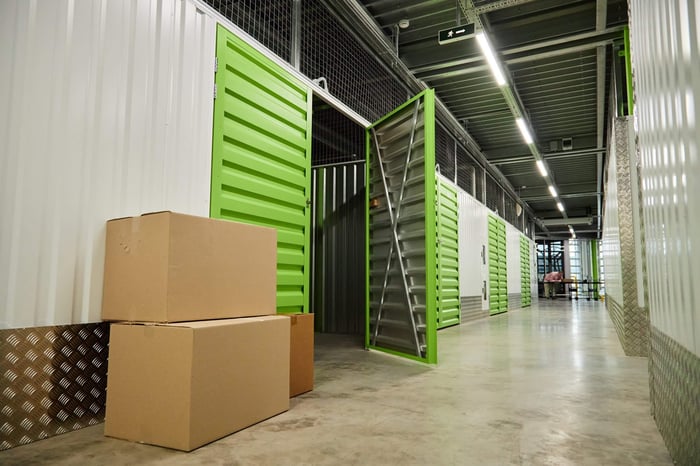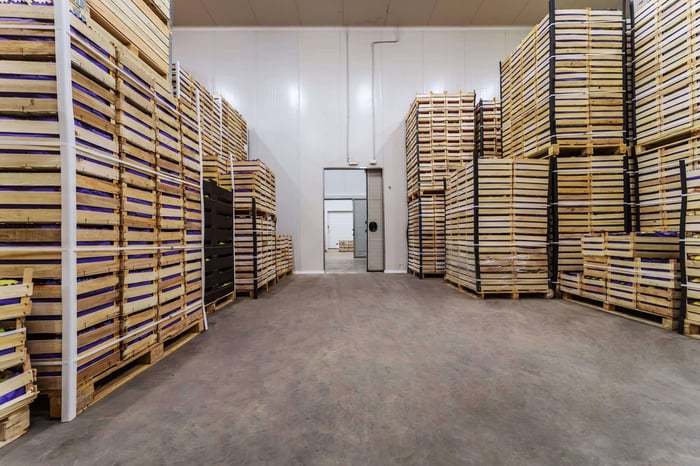
Renting a climate-controlled storage unit for the first time is simple—but how you move in makes a big difference. Rockport’s coastal climate adds extra factors like humidity and salt air, which means preparation matters. Move-In Checklist for Rockport Climate Storage Renters helps you store items correctly from day one and avoid common mistakes.
Why a Move-In Checklist Matters in Rockport
First-time renters often assume climate storage does all the work. It doesn’t. Climate control helps protect items, but how you pack, place, and organize your unit determines long-term results.
Move-In Checklist for Rockport Climate Storage Renters helps:
Avoid moisture-related damage
Use space efficiently
Reduce repeat trips
Keep items easy to access
Understand Climate-Controlled Storage Before You Move In
Climate storage maintains a stable environment, which helps reduce:
Temperature swings that cause warping or cracking
Humidity that leads to mold and mildew
Corrosion on metal items
What it doesn’t do:
Fix damp or dirty items
Prevent damage from poor packing
Replace proper airflow inside the unit
Climate control works best when paired with good storage habits.
Step 1: Choose the Right Unit Size and Location
Pick the Right Size
Avoid filling the unit wall-to-wall
Plan a small aisle for access
Account for vertical stacking with shelves
Choose a Smart Location
Ground-level units are easier for frequent access
Units near loading areas save time
Consider how often you’ll visit the unit
Choosing the right space upfront prevents frustration later.
Step 2: Gather Proper Packing Supplies
Use Storage-Safe Materials
Uniform, sturdy boxes for stable stacking
Plastic bins for moisture-sensitive items
Furniture pads and mattress covers
Avoid These Items
Thin or reused cardboard boxes
Trash bags for long-term storage
Plastic wrap directly on wood or fabric
The wrong materials can trap moisture and cause damage.
Step 3: Prepare Items Before Packing
Furniture
Clean and fully dry all surfaces
Remove legs, shelves, or hardware
Protect corners and delicate finishes
Appliances and Electronics
Defrost and dry completely
Remove batteries
Label cords and accessories
Documents, Photos, and Clothing
Use acid-free containers for paper
Wash and fully dry fabrics
Store clothing in breathable containers
Never store items that are damp or dirty.
Step 4: Pack for Access and Airflow
Smart Packing Order
Heavy items on the bottom
Lighter items stacked above
Frequently used items near the front
Allow Air Circulation
Leave space between items and walls
Elevate belongings off the floor
Avoid tight, sealed stacks
Airflow helps climate control do its job.
Step 5: Label and Track What You Store
Label Clearly
Label all sides of each box
Use general descriptions
Color-code by room or category if helpful
Keep an Inventory
List major items and box numbers
Store a digital copy on your phone
Update it as items are added or removed
Good labeling saves time and reduces unnecessary handling.
Step 6: Secure the Unit Properly
Choose the Right Lock
Use a disc or cylinder-style lock
Avoid basic padlocks
Test the lock before leaving
Final Check Before You Go
Make sure the door closes properly
Confirm nothing presses against the door
Double-check that the lock is fully engaged
Security starts with proper setup.
Step 7: First Visit Check-In Routine
What to Check
Look for signs of moisture or shifting
Ensure items remain upright and stable
Adjust spacing if airflow feels restricted
Ongoing Habits
Visit periodically
Rotate seasonal items
Reposition items as needed
Small adjustments prevent long-term problems.
Common First-Time Storage Mistakes to Avoid
Overfilling the unit
Storing items directly on the floor
Blocking access paths
Forgetting what’s inside due to poor labeling
Avoiding these mistakes protects both space and belongings.
Final Takeaway: Start Smart, Store Confidently
Climate-controlled storage works best when you move in with a plan. By following this checklist, Rockport renters can protect their belongings, reduce stress, and make storage simple from the start.