Living near the coast has its benefits, but heat, humidity, and salt air can be tough on furniture and household materials. Leather, upholstered furniture, and wood are especially sensitive to moisture and temperature changes. Without proper storage, these materials can slowly deteriorate even when damage isn’t immediately visible.
Protecting these items starts with understanding how coastal conditions affect them and how climate-controlled storage helps prevent long-term damage.
Why Coastal Heat and Humidity Cause Damage
Coastal air holds more moisture than inland environments. Over time, that moisture settles into fabrics, leather, and wood.
Common problems include:
Mold and mildew growth in cushions and seams
Wood swelling and shrinking with humidity changes
Leather drying and cracking
Odors trapped in upholstery
Corrosion on metal hardware
These issues often develop gradually, which is why prevention matters.
Protecting Leather Furniture and Accessories
Leather is durable but sensitive to both heat and moisture.
Common Coastal Damage
Surface cracking when leather dries out
Mold forming in folds and seams
Fading from prolonged heat exposure
Storage Tips for Leather
Clean leather before storage to remove oils and residue
Use breathable covers instead of plastic
Store furniture in a climate-controlled space
Keep leather items elevated off the floor
Stable temperature and humidity help leather maintain its flexibility and appearance.
Protecting Upholstered Furniture
Fabric furniture easily absorbs moisture from the air, which can lead to long-term issues.
Risks in Coastal Environments
Mildew forming inside cushions
Odors settling into fabric fibers
Adhesives weakening in humid conditions
Best Storage Practices
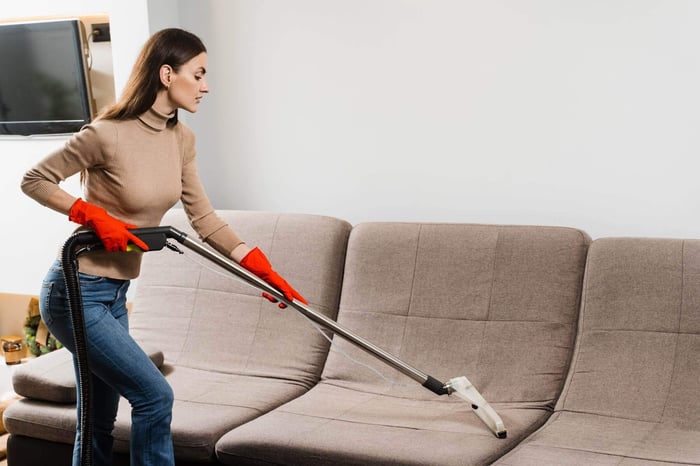
Vacuum and clean upholstery before storing
Allow furniture to dry completely
Store pieces upright to maintain shape
Leave space between furniture for airflow
These steps help prevent hidden moisture damage.
Protecting Wooden Furniture and Décor
Wood naturally expands and contracts with humidity changes. In coastal areas, this cycle happens more often.
Common Wood Damage
Loosened joints
Veneer separation
Finish bubbling or peeling
Cracking from uneven drying
Safe Storage for Wood
Dust and dry surfaces before storing
Use breathable cloth coverings
Avoid stacking heavy items on wooden pieces
Keep furniture away from exterior walls
Consistent conditions help preserve both structure and finish.
Why Climate-Controlled Storage Matters in Coastal Areas
Climate-controlled storage keeps temperature and humidity levels steady. This prevents the repeated expansion, moisture buildup, and material stress that coastal environments create.
Benefits include:
Reduced mold and mildew risk
Protection for leather and fabrics
Preservation of wood finishes and joints
Lower corrosion risk for hardware
For sensitive materials, stable conditions are key to long-term preservation.
Setting Up Storage for Mixed Materials
When storing leather, upholstery, and wood together, organization matters.
Smart Storage Setup
Place heavier furniture along walls with space for airflow
Use shelving for smaller items
Keep delicate materials toward the center of the unit
Elevate furniture off the floor
Periodic Check Routine
Visit occasionally to inspect items
Watch for moisture or odor changes
Adjust spacing if airflow is limited
Regular checks help catch small issues early.
Common Coastal Storage Mistakes to Avoid
Wrapping furniture tightly in plastic
Storing items that are damp or recently cleaned
Overfilling storage units
Using garages or sheds for long-term furniture storage
Avoiding these mistakes protects both condition and value.
Final Takeaway
Coastal heat and humidity can quietly damage leather, upholstery, and wood over time. Proper preparation and climate-controlled storage help prevent mold, cracking, and structural damage.